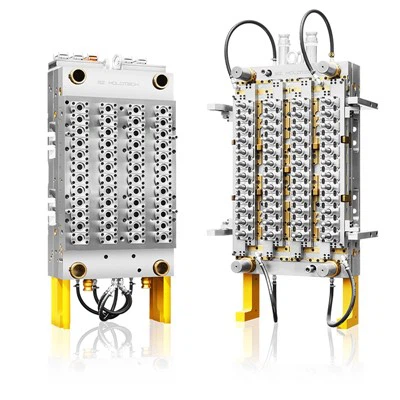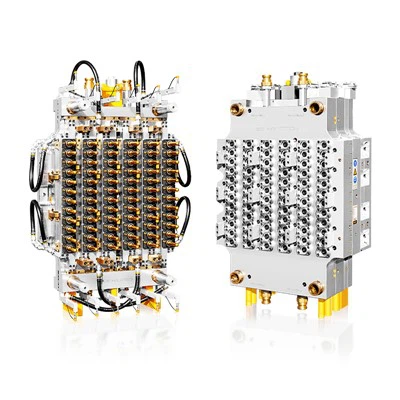



In modern plastic packaging production, the PET preform mold plays a decisive role in determining the quality, stability, and efficiency of bottle manufacturing. As a key upstream tool in the PET bottle industry, its design and manufacturing precision directly influence final product performance such as transparency, strength, and dimensional accuracy.
What Is a PET Preform Mold?
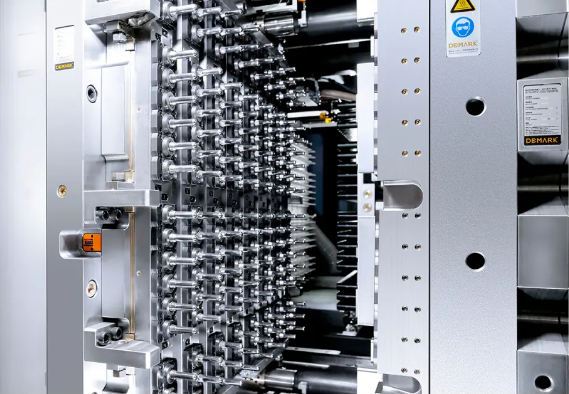
A PET preform mold is a precision injection mold used to produce PET plastic preforms, which are the intermediate shapes of plastic bottles. These preforms are later reheated and stretch-blow molded into finished containers such as water bottles, beverage bottles, cosmetic packaging, and edible oil bottles.
The mold typically operates in a high-cavitation system and is designed to ensure:
High production efficiency
Stable dimensional control
Excellent surface finish
Consistent material distribution
In industrial production, PET preform molds are often integrated with hot runner systems and multi-cavity structures to support large-scale manufacturing demands.
PET Preform Mold Design Principles
The design stage is the foundation of mold performance. A well-engineered mold ensures long service life, low defect rate, and stable production output.
Product Analysis and Engineering Review
Before design begins, engineers analyze:
Preform structure and bottle application
Neck finish specifications
Shrinkage rate of PET material
Wall thickness distribution
Injection machine compatibility
This ensures that the mold matches both product and production system requirements.
Cavity Layout Design
Cavity design determines output capacity. Common configurations include:
High-cavity molds are widely used in beverage and water bottle production for mass output efficiency.
Cooling System Optimization
Cooling design is one of the most critical factors in PET mold performance. A well-designed cooling system:
Reduces cycle time
Improves dimensional stability
Prevents deformation and crystallization issues
Efficient cooling layouts are essential for high-speed production environments.
Hot Runner System Design
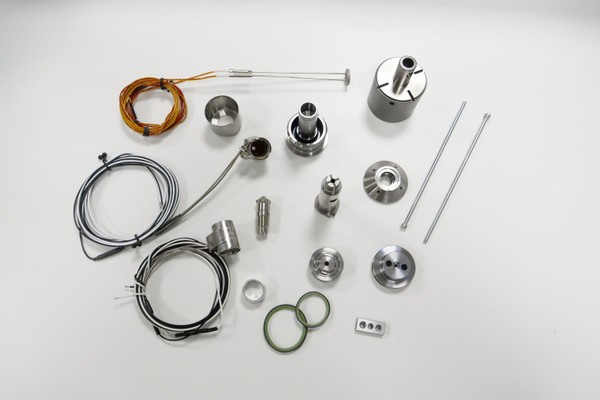
Modern PET preform molds adopt hot runner technology to:
Reduce material waste
Improve melt flow balance
Ensure consistent filling across cavities
Increase production efficiency
Manufacturing Process of PET Preform Mold
The manufacturing process requires high-precision machining, strict quality control, and advanced engineering capability.
Material Selection
High-quality mold steels are used to ensure durability and wear resistance, such as:
S136 stainless steel (high corrosion resistance)
H13 steel (heat resistance)
Pre-hardened tool steels for mold base
Material selection directly affects mold lifespan and polishing quality.
CNC Machining and Precision Processing
Advanced CNC equipment is used to process:
Mold cavities
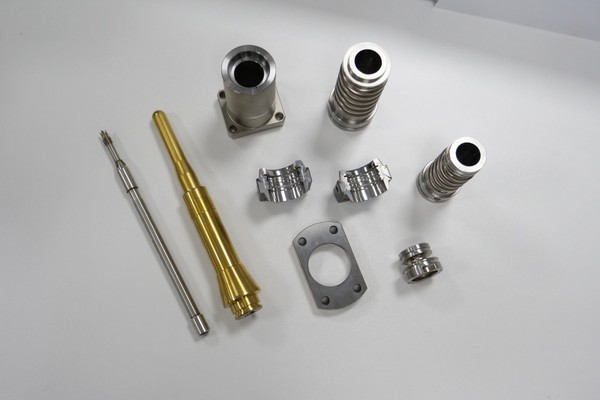
Core pins
Flow channels
Structural components
This ensures micron-level accuracy and repeatability.
Heat Treatment Process
Heat treatment improves:
Hardness
Wear resistance
Structural stability under high-pressure injection
This step is crucial for long-term production stability.
Polishing and Surface Finishing
PET preform molds require mirror polishing to achieve:
High transparency preforms
Smooth surface finish
Reduced friction during demolding
High-grade polishing ensures final bottle clarity and quality.
Assembly and Testing
After machining, the mold is assembled and tested under real production conditions:
Injection trial runs
Flow balance testing
Cooling efficiency verification
Ejection system adjustment
Injection Molding Process Overview
The PET preform molding process typically includes:
Raw Material Drying
PET resin must be fully dried to avoid hydrolysis and degradation.
Melting and Injection
PET is melted at high temperature and injected into the mold cavity under high pressure.
Cooling and Solidification
Cooling time is the longest phase and determines production cycle efficiency.
Ejection
The solidified preform is ejected and prepared for downstream blow molding.
This process is widely used in high-speed production systems for beverage and packaging industries.
SZ-MOLDTECH Manufacturing Capability Advantage
SZ-MOLDTECH is a professional mold manufacturing company focusing on high-precision injection mold design and production, particularly in PET preform mold solutions.
The company provides full-process support including:
Mold structure design and engineering optimization
High-cavity PET preform mold manufacturing
Precision CNC machining and polishing
Hot runner system integration
Mold testing and process validation
With strong engineering experience, SZ-MOLDTECH focuses on delivering molds that ensure:
Stable high-speed production
Reduced cycle time
Long service life
High output consistency
The company emphasizes customized mold solutions based on client requirements, supporting different bottle types such as:
Food-grade packaging bottles
Key Technical Advantages of PET Preform Molds
A high-quality PET preform mold should have the following features:
High precision cavity machining
Balanced hot runner flow system
Optimized cooling channel layout
Strong corrosion-resistant steel structure
Stable long-term production capability
Easy maintenance and replacement design
These features ensure consistent production quality in large-scale manufacturing environments.
Common Applications of PET Preform Molds
PET preform molds are widely used across industries:
Beverage industry (water, soda, juice bottles)
Food packaging
Pharmaceutical packaging
Cosmetic packaging
Edible oil containers
The flexibility of mold design allows adaptation to different product shapes and capacities.
Future Trends in PET Preform Mold Technology
The PET mold industry is evolving toward:
Higher cavity counts (increased productivity)
Lightweight preform design
Energy-efficient hot runner systems
Shorter cycle times
Smart monitoring systems for production control
Manufacturers like SZ-MOLDTECH continue improving mold performance through precision engineering and process optimization.
FAQ – Frequently Asked Questions
What is the service life of a PET preform mold?
A high-quality mold can typically run millions of cycles depending on steel grade, maintenance, and production conditions.
How many cavities can a PET preform mold have?
It can range from 48 cavities to over 144 cavities depending on production capacity requirements.
What factors affect PET preform quality?
Key factors include mold design accuracy, cooling efficiency, material drying, and injection stability.
Can PET preform molds be customized?
Yes. SZ-MOLDTECH provides fully customized mold solutions based on bottle shape, capacity, and machine type.
Why is hot runner system important?
It reduces material waste, improves flow balance, and significantly increases production efficiency.