



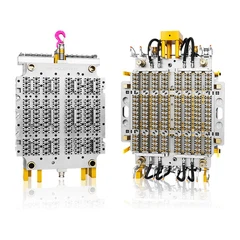


Hey there! As a supplier of PET Juice Bottle Preform Moulds, I often get asked about the energy consumption of these moulds. It's a crucial topic, especially in today's world where energy efficiency is a big deal. So, let's dive right into it and explore what the energy consumption of a PET Juice Bottle Preform Mould really is.
First off, it's important to understand how these moulds work. PET (Polyethylene Terephthalate) is a common plastic used for making juice bottles. The preform mould is where the initial shaping of the bottle takes place. The process involves injecting molten PET into the mould cavity under high pressure. This requires a significant amount of energy, mainly for heating the PET to its melting point and operating the injection machine.
The energy consumption of a PET Juice Bottle Preform Mould can vary depending on several factors. One of the main factors is the size and complexity of the mould. Larger moulds with more cavities generally require more energy to operate. For example, a mould with 96 cavities will consume more energy than a mould with 48 cavities. This is because more material needs to be heated and injected into the additional cavities.
Another factor that affects energy consumption is the type of injection machine used. Different machines have different energy efficiency ratings. Some modern injection machines are designed to be more energy-efficient, using advanced technologies such as servo motors and variable frequency drives. These machines can reduce energy consumption by adjusting the power output based on the actual demand.
The temperature control system of the mould also plays a role in energy consumption. Maintaining the right temperature is crucial for the quality of the preforms. If the temperature is too high or too low, it can affect the shape and strength of the preforms. However, heating and cooling the mould requires energy. Some moulds are equipped with advanced temperature control systems that can optimize energy usage by accurately regulating the temperature.
Let's talk about some real-world numbers. On average, a typical PET Juice Bottle Preform Mould can consume anywhere from 5 to 15 kilowatt-hours (kWh) per hour of operation. This can vary depending on the factors mentioned above. For example, a small mould with 24 cavities might consume around 5 kWh per hour, while a large mould with 96 cavities could consume up to 15 kWh per hour.


It's important to note that these numbers are just estimates. The actual energy consumption can vary depending on the specific mould, injection machine, and operating conditions. To get a more accurate estimate, it's best to consult with a professional or conduct energy audits.
Now, let's look at some ways to reduce the energy consumption of a PET Juice Bottle Preform Mould. One of the most effective ways is to invest in energy-efficient equipment. As mentioned earlier, modern injection machines with advanced technologies can significantly reduce energy consumption. Additionally, using high-quality moulds with efficient temperature control systems can also help.
Another way to reduce energy consumption is to optimize the production process. This can include reducing the cycle time, which is the time it takes to produce one preform. By reducing the cycle time, you can increase the production rate and reduce the overall energy consumption per preform.
Proper maintenance of the mould and injection machine is also crucial. Regular cleaning and lubrication can ensure that the equipment operates efficiently, reducing energy waste.
As a supplier of PET Juice Bottle Preform Moulds, we understand the importance of energy efficiency. That's why we offer a range of high-quality moulds and injection machines that are designed to be energy-efficient. Our Edible Oil Preform Mold and PET Preform Mould for Oil Bottles are not only designed for optimal performance but also for energy savings. We also offer Carbonated Drink Preform Mold that are energy-efficient and can help you reduce your production costs.
If you're in the market for a PET Juice Bottle Preform Mould or any other type of preform mould, we'd love to hear from you. We can provide you with detailed information about our products, including energy consumption estimates and cost savings. Contact us today to start a conversation about your specific needs and how we can help you achieve your production goals.
In conclusion, the energy consumption of a PET Juice Bottle Preform Mould is an important factor to consider when choosing a mould and injection machine. By understanding the factors that affect energy consumption and taking steps to reduce it, you can save money and improve the sustainability of your production process. If you have any questions or need more information, don't hesitate to reach out. We're here to help you make the best decision for your business.
References:
- Industry reports on PET preform moulding technology
- Manufacturer specifications for injection machines and moulds


