




When it comes to PET preform injection molding, selecting the appropriate lubricant is a critical decision that can significantly impact the efficiency, quality, and longevity of the manufacturing process. As a PET preform injection molding supplier, I've witnessed firsthand the difference that the right lubricant can make. In this blog, I'll share some key considerations and guidelines to help you choose the most suitable lubricant for your PET preform injection molding operations.
Understanding the Role of Lubricants in PET Preform Injection Molding
Lubricants play several essential roles in the PET preform injection molding process. Firstly, they reduce the friction between the molten PET material and the mold surface during the injection phase. This reduction in friction allows the material to flow more smoothly into the mold cavities, ensuring that the preforms are filled completely and uniformly. It helps to prevent defects such as short - shots, where the preform is not fully formed due to inadequate material flow.
Secondly, lubricants assist in the demolding process. After the PET has solidified into the preform shape, a good lubricant enables easy removal of the preforms from the mold. This reduces the risk of damage to the preforms, such as cracking or deformation, and also minimizes the wear and tear on the mold itself.
Finally, lubricants can improve the surface finish of the PET preforms. A well - lubricated mold results in preforms with a smoother, glossier surface, which is often a desirable aesthetic feature for the final PET bottles.


Types of Lubricants for PET Preform Injection Molding
There are several types of lubricants commonly used in PET preform injection molding, each with its own set of characteristics and applications.
External Lubricants
External lubricants are applied directly to the mold surface. They form a thin film that acts as a physical barrier between the PET material and the mold, reducing friction. Common external lubricants include silicone - based lubricants. Silicone lubricants are known for their excellent heat resistance and low surface tension, which allows for easy release of the preforms. They are often used in high - speed injection molding processes where quick and efficient demolding is crucial. For example, in the production of PCO 1810 PET Preform Mold, silicone lubricants can ensure smooth demolding of the preforms without leaving any residue on the mold surface.
Internal Lubricants
Internal lubricants are added to the PET resin before the injection molding process. They work by reducing the intermolecular forces within the polymer, making the molten PET more fluid. This improves the flowability of the material during injection, resulting in better filling of the mold cavities. Examples of internal lubricants include stearates, such as calcium stearate and zinc stearate. These lubricants are cost - effective and can be easily incorporated into the PET resin. However, it's important to use the right amount of internal lubricant, as too much can lead to surface defects on the preforms, such as blooming or a greasy appearance.
Water - Based Lubricants
Water - based lubricants are an environmentally friendly alternative to traditional oil - based lubricants. They are easy to apply and clean, and they do not leave any harmful residues on the preforms or the mold. Water - based lubricants are often used in applications where strict hygiene standards need to be met, such as the production of PET preforms for food and beverage packaging. Their low - viscosity nature allows for good coverage of the mold surface, ensuring smooth material flow and demolding.
Factors to Consider When Selecting a Lubricant
Compatibility with PET Resin
One of the most important factors to consider is the compatibility of the lubricant with the PET resin. The lubricant should not react with the PET chemically, as this could affect the properties of the preforms, such as their clarity, strength, and barrier properties. For example, some lubricants may cause discoloration of the PET preforms or reduce their resistance to gas permeation. It's essential to conduct compatibility tests before using a new lubricant in large - scale production.
Mold Design and Cavity Configuration
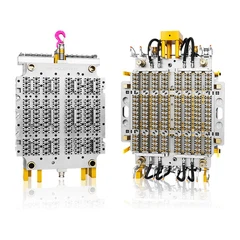
The design of the mold and the number of cavities can also influence the choice of lubricant. In multi - cavity molds, such as 48 Cavity PET Preform Mold or 48 Cavity 28mm Water Bottle Preform Mold, uniform lubrication is crucial to ensure consistent filling and demolding of all the preforms. Lubricants with good spreading properties are preferred in these cases to ensure that each cavity is properly lubricated.
Injection Molding Conditions
The injection molding conditions, such as temperature, pressure, and injection speed, can affect the performance of the lubricant. High - temperature molding processes require lubricants with good heat stability to prevent degradation of the lubricant and the formation of deposits on the mold surface. Similarly, high - pressure injection may require a lubricant with better lubricating properties to reduce the friction between the molten PET and the mold.
Cost and Environmental Impact
Cost is always a consideration in any manufacturing process. While it's important to choose a lubricant that meets the performance requirements, it's also necessary to evaluate the cost - effectiveness of the lubricant. Additionally, environmental regulations are becoming increasingly strict, so choosing an environmentally friendly lubricant can help your business comply with these regulations and enhance its sustainability profile.
Testing and Evaluation of Lubricants
Before implementing a new lubricant in your PET preform injection molding process, it's essential to conduct thorough testing and evaluation. This can include:
Laboratory Testing
In the laboratory, you can test the compatibility of the lubricant with the PET resin by mixing them in small quantities and observing any chemical reactions, such as discoloration or changes in viscosity. You can also test the lubricating properties of the lubricant by measuring the friction coefficient between the PET and a test surface coated with the lubricant.
Pilot Production Runs
Conducting pilot production runs with the new lubricant in your injection molding machine can provide valuable real - world data. Monitor the filling of the mold cavities, the ease of demolding, and the quality of the preforms produced. Look for any signs of defects, such as surface blemishes, cracking, or incomplete filling.
Long - Term Testing
Long - term testing is important to evaluate the durability of the lubricant and its impact on the mold over time. Monitor the wear and tear on the mold, the frequency of mold cleaning, and the overall performance of the injection molding process over an extended period.
Conclusion
Selecting the appropriate lubricant for PET preform injection molding is a complex decision that requires careful consideration of various factors, including the type of lubricant, compatibility with the PET resin, mold design, injection molding conditions, cost, and environmental impact. By understanding the role of lubricants in the process and conducting thorough testing and evaluation, you can choose a lubricant that will improve the efficiency, quality, and longevity of your PET preform injection molding operations.
If you're in the market for high - quality PET preform injection molding solutions and need advice on selecting the right lubricant, we're here to help. Our team of experts has extensive experience in the industry and can provide you with customized solutions to meet your specific requirements. Contact us to discuss your needs and start a procurement - related conversation today.
References
- "Plastics Additives Handbook" by Hans Zweifel
- "Injection Molding Handbook" by O. Olafsson


