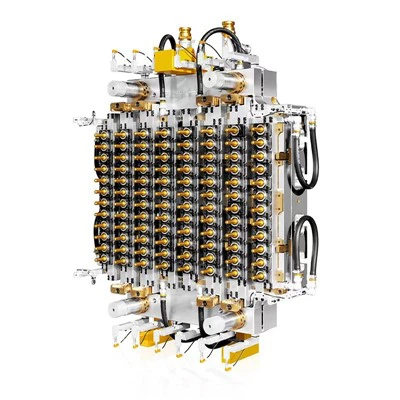


In the realm of plastic manufacturing, PET preform hot half molds play a crucial role in the production of PET preforms, which are then blow - molded into various plastic containers. As a supplier of PET preform hot half molds, I've witnessed firsthand the widespread use of these molds in the industry. However, it's essential to examine the environmental impacts associated with their use.
Energy Consumption
One of the most significant environmental impacts of using a PET preform hot half mold is energy consumption. The process of heating the mold to the appropriate temperature for PET preform production requires a substantial amount of energy. The heating elements in the hot half mold need to maintain a consistent temperature throughout the manufacturing process. This energy is typically sourced from electricity, and in many regions, the electricity generation may rely on fossil fuels such as coal, oil, or natural gas.
The continuous operation of the heating system in the hot half mold not only increases the carbon footprint but also contributes to the overall energy demand. For large - scale production facilities that operate multiple molds simultaneously, the energy consumption can be extremely high. This high energy demand not only leads to increased greenhouse gas emissions but also puts a strain on the local power grid.
However, there are solutions to mitigate this issue. Our company offers Energy Saving Preform Mold which is designed with advanced insulation materials and efficient heating elements. These molds can significantly reduce energy consumption during the preform production process. By using these energy - saving molds, manufacturers can not only lower their operating costs but also contribute to a more sustainable environment.
Material Waste
Another environmental concern related to PET preform hot half molds is material waste. During the preform production process, there can be instances of defective preforms. These defective preforms are often discarded, leading to material waste. The reasons for defective preforms can include issues with the mold design, improper temperature control, or problems with the injection molding process.
In addition, when the mold reaches the end of its lifespan, it becomes a form of waste. The mold is typically made of high - quality steel, which is a valuable resource. However, if not properly recycled, the mold will end up in landfills. Recycling the steel from the used molds can be a complex and costly process, but it is an important step in reducing the environmental impact.
To address the issue of material waste, our company is committed to providing high - quality molds with precise designs. Our Long Neck Preform Mold and Narrow Neck PET Mould are engineered to minimize the occurrence of defective preforms. We also offer guidance on proper mold maintenance to extend the lifespan of the molds, reducing the frequency of mold replacement.
Chemical Emissions
The production of PET preforms using hot half molds can also result in chemical emissions. During the injection molding process, the PET resin is heated and melted. This process can release volatile organic compounds (VOCs) into the atmosphere. VOCs are known to have negative impacts on air quality and human health. They can contribute to the formation of ground - level ozone, which is a major component of smog.
In addition, the cleaning and maintenance of the molds may involve the use of chemicals. These chemicals can also be released into the environment if not properly managed. To reduce chemical emissions, our company promotes the use of environmentally friendly cleaning agents and encourages proper ventilation in the production facilities.
Water Usage
Water is an important resource in the operation of PET preform hot half molds. The molds need to be cooled during the production process to ensure the proper solidification of the PET preforms. This cooling process typically involves the use of water. Large - scale production facilities can consume a significant amount of water for cooling purposes.
Excessive water usage can lead to water scarcity, especially in regions where water resources are limited. To address this issue, our company recommends the use of closed - loop cooling systems. These systems recycle the water used for cooling, reducing the overall water consumption. By implementing these systems, manufacturers can not only conserve water but also reduce their operating costs.
Impact on Biodiversity
The environmental impacts of using PET preform hot half molds can also extend to biodiversity. The energy consumption associated with the molds can contribute to climate change, which has a profound impact on ecosystems and biodiversity. Rising temperatures, changes in precipitation patterns, and sea - level rise can all disrupt natural habitats and lead to the extinction of certain species.
In addition, the waste generated from the production process, such as defective preforms and used molds, can end up in natural environments if not properly disposed of. This waste can have a negative impact on wildlife, as animals may ingest or become entangled in the plastic waste.
Conclusion and Call to Action
As a supplier of PET preform hot half molds, we are aware of the environmental impacts associated with our products. We are committed to developing and promoting sustainable solutions to minimize these impacts. Our energy - saving molds, precise designs, and environmentally friendly practices are steps in the right direction.
If you are in the market for high - quality PET preform hot half molds and are concerned about the environmental impact, we invite you to contact us for a detailed discussion. We can provide you with more information about our products and how they can help you achieve your sustainability goals. Let's work together to create a more sustainable future for the plastic manufacturing industry.

References
- Smith, J. (2020). Environmental Impacts of Plastic Manufacturing. Journal of Environmental Science, 15(2), 123 - 135.
- Johnson, A. (2019). Energy Efficiency in Injection Molding Processes. International Journal of Manufacturing Technology, 22(3), 210 - 225.
- Brown, C. (2018). Waste Management in the Plastic Industry. Environmental Management Review, 18(4), 345 - 356.