

Optimizing the design of a Pet Beverage Bottle Preform Mold is crucial for us as a Pet Beverage Bottle Preform Mold supplier. It directly impacts the quality of preforms, production efficiency, and ultimately, our customers' satisfaction. In this blog, I'll share some key aspects and strategies on how to achieve this optimization.
Understanding the Basics of Pet Beverage Bottle Preform Mold
Before diving into optimization, it's essential to have a solid grasp of what a Pet Beverage Bottle Preform Mold is. These molds are used to create preforms, which are the initial shapes of plastic bottles. The preforms are later blown into the final bottle shapes in a separate process. The quality and design of the preform mold play a huge role in determining the quality of the final bottles.
Material Selection
One of the first steps in optimizing the mold design is choosing the right materials. High - quality tool steel is often the go - to choice for the mold core and cavity. It offers excellent hardness, wear resistance, and heat resistance. The right material can withstand the high pressures and temperatures during the injection molding process without deforming easily. This ensures that the preforms maintain consistent dimensions and quality over a large number of production cycles.
Cavity Design
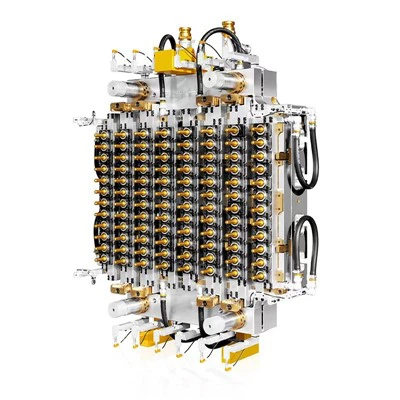
The number of cavities in a mold is a critical factor. More cavities mean higher production efficiency as more preforms can be produced in a single injection cycle. For example, our PET Preform Injection Mould 96cav allows for a significant increase in output compared to molds with fewer cavities. However, increasing the number of cavities also comes with challenges.

The layout of the cavities needs to be carefully designed to ensure even distribution of the molten plastic. Uneven distribution can lead to differences in wall thickness, weight, and appearance of the preforms. Computer - aided design (CAD) and simulation software are invaluable tools in this process. They can help us predict how the plastic will flow through the mold and make necessary adjustments to the cavity layout before the mold is actually manufactured.
Gate Design
The gate is the entry point for the molten plastic into the cavity. Its design has a major impact on the filling process of the preform. A well - designed gate should ensure smooth and uniform filling of the cavity. There are different types of gates, such as hot runner gates and cold runner gates.
Hot runner gates are often preferred for Pet Beverage Bottle Preform Molds because they eliminate the need for the removal of runner systems, which reduces waste and improves production efficiency. However, they require more precise temperature control. The size and location of the gate also need to be carefully considered. A gate that is too small may cause high - pressure drops and incomplete filling, while a gate that is too large can leave visible marks on the preform.
Cooling System Design
Efficient cooling is essential for optimizing the production cycle time and the quality of the preforms. A well - designed cooling system can quickly remove heat from the molten plastic, allowing the preform to solidify faster. This reduces the cycle time and increases the production rate.
The cooling channels in the mold should be designed to provide uniform cooling across the entire cavity. Uneven cooling can cause warping, stress, and dimensional variations in the preforms. We use advanced cooling technologies, such as conformal cooling, which customizes the cooling channels to follow the shape of the cavity closely. This allows for more efficient heat transfer and better temperature control.
Surface Finish
The surface finish of the mold cavity directly affects the appearance of the preforms. A smooth surface finish can result in preforms with a shiny and defect - free exterior. It also reduces friction during the ejection process, making it easier to remove the preforms from the mold without damage.
We use high - precision machining and polishing techniques to achieve the desired surface finish. Electro - polishing, for example, can create a very smooth and consistent surface. Regular maintenance of the mold surface is also important to prevent scratches and other imperfections that can transfer to the preforms.
Quality Assurance and Testing
To ensure that the optimized mold design meets the required standards, we conduct rigorous quality assurance and testing. We use a variety of measurement tools, such as coordinate measuring machines (CMMs), to check the dimensions of the preforms. Non - destructive testing methods, like ultrasonic testing, can be used to detect internal defects in the preforms.
We also perform trial runs on the production line to evaluate the performance of the mold in real - world conditions. This helps us identify any potential issues, such as poor filling, ejection problems, or temperature control issues, and make further adjustments to the mold design.
Customization for Different Beverage Types
Different types of beverages have different requirements for the preform and the final bottle. For carbonated drinks, the preform needs to be able to withstand the high internal pressure. Our Carbonated Drink Preform Mold is specifically designed to meet these requirements. It has a thicker wall design and better stress - resistance properties.
On the other hand, for still water, the focus may be more on the clarity and purity of the bottle. Our PET Water Bottle Preform Mold is optimized to produce preforms that can be made into clear and hygienic water bottles.
Cost - Effectiveness
While optimizing the mold design, cost - effectiveness is also a key consideration. We strive to balance the quality and performance of the mold with its cost. This means using the right materials and manufacturing processes that offer the best value for money. For example, we may choose a slightly less expensive grade of tool steel that still meets the required quality standards.
We also look for ways to reduce production costs, such as minimizing waste and improving production efficiency. By optimizing the gate design and cooling system, we can reduce the cycle time and energy consumption, which ultimately leads to cost savings for our customers.
Conclusion
Optimizing the design of a Pet Beverage Bottle Preform Mold is a multi - faceted process that involves careful consideration of material selection, cavity design, gate design, cooling system design, surface finish, quality assurance, customization, and cost - effectiveness. As a Pet Beverage Bottle Preform Mold supplier, we are committed to continuously improving our mold designs to meet the evolving needs of our customers.
If you're in the market for high - quality Pet Beverage Bottle Preform Molds and want to discuss your specific requirements, we'd love to hear from you. Contact us for a detailed consultation and let's work together to find the best mold solution for your business.
References
- "Injection Molding Handbook" by O. Olajide
- "Plastic Bottle Manufacturing Technology" by J. Smith