



In the manufacturing of oil bottles, the design of the PET preform mold is a crucial factor that directly impacts the final product's quality, cost - effectiveness, and production efficiency. One of the key elements influencing the design of the PET preform mold is the size of the oil bottle. As an Oil Bottle PET Preform Mold supplier, I have witnessed firsthand how the bottle size can bring about significant changes in the mold design.
Impact on Mold Cavity Design
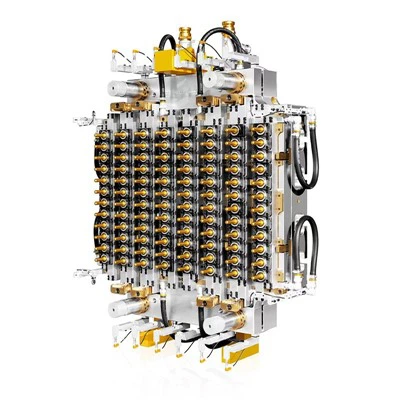
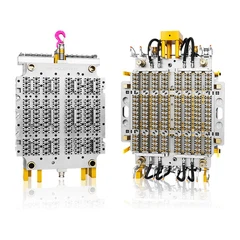
The size of the oil bottle determines the number of cavities that can be incorporated into the PET preform mold. For smaller oil bottles, it is often possible to have a higher number of cavities in the mold. This is because smaller preforms take up less space within the mold, allowing for more of them to be produced in a single injection cycle. For example, if we are manufacturing small - sized oil bottles with a capacity of 250 ml, we can design a mold with a relatively large number of cavities, say 96 cavities. This high - cavity mold enables mass production, which is beneficial for meeting large - scale market demands. On the other hand, when dealing with larger oil bottles, such as those with a capacity of 5 liters, the size of the preform is much larger. As a result, the number of cavities in the mold has to be reduced. A 5 - liter oil bottle preform may only allow for 8 or 16 cavities in the mold. This reduction in the number of cavities means that the production rate per injection cycle is lower, but it is a necessary adjustment to accommodate the larger preform size.
The shape of the mold cavities also needs to be adjusted according to the size of the oil bottle. Smaller bottles may require more precise and detailed cavity designs to ensure that the preforms are formed accurately. The walls of the cavities for small preforms need to be thinner and more precisely machined to achieve the desired shape and thickness of the preform. In contrast, larger oil bottle preforms may have more forgiving cavity designs in terms of precision, but they require more robust and larger - scale mold structures to support the larger preform size.
Material Flow and Cooling Considerations
The size of the oil bottle preform affects the material flow during the injection molding process. For smaller preforms, the molten PET material can flow more easily into the mold cavities. The shorter flow paths and smaller volumes of material mean that the injection pressure required is relatively lower. This allows for a more uniform filling of the cavities and reduces the risk of defects such as air bubbles or uneven wall thickness. However, for larger preforms, the material has to travel a longer distance to fill the entire cavity. This requires higher injection pressures and may lead to challenges in achieving a uniform material distribution. To address this, the mold design needs to incorporate features such as well - designed runner systems and gates to ensure smooth material flow.
Cooling is another critical aspect that is influenced by the size of the oil bottle preform. Smaller preforms cool down more quickly because they have a larger surface - area - to - volume ratio. This means that the cooling channels in the mold for smaller preforms can be relatively simple and less extensive. In contrast, larger preforms take longer to cool due to their larger volume. The mold design for larger preforms needs to have a more complex and efficient cooling system. This may involve the use of multiple cooling channels, different cooling rates in different parts of the mold, and advanced cooling technologies to ensure that the preform cools evenly and quickly without warping or deforming.
Mold Structure and Strength Requirements
The size of the oil bottle preform also has a significant impact on the overall structure and strength requirements of the PET preform mold. Smaller preform molds can be made with relatively lighter and less robust materials. Since the forces exerted during the injection molding process are relatively smaller for smaller preforms, the mold can be designed with thinner walls and less reinforcement. This not only reduces the cost of the mold but also makes it easier to handle and maintain.
However, larger preform molds need to be much stronger and more durable. The higher injection pressures and larger preform sizes generate greater forces within the mold. The mold structure needs to be designed to withstand these forces without deforming or breaking. This often requires the use of thicker steel plates, more extensive reinforcement, and a more rigid overall structure. Additionally, the larger size of the mold means that it is more difficult to transport and install, and special considerations need to be taken in terms of its handling and storage.
Impact on Production Cost and Efficiency
The size - related design changes in the PET preform mold have a direct impact on the production cost and efficiency. For smaller oil bottle preforms, the high - cavity molds can produce a large number of preforms in a single injection cycle. This leads to a lower cost per preform, as the fixed costs of the injection molding process (such as machine setup and energy consumption) are spread over a larger number of products. However, the initial investment in a high - cavity mold is relatively high. On the other hand, for larger oil bottle preforms, the lower number of cavities per mold means that the production rate is lower, and the cost per preform may be higher. But the lower - cavity molds are generally less expensive to manufacture.


In terms of production efficiency, smaller preforms can be produced more quickly due to their faster cooling times and easier material flow. This allows for a shorter cycle time between injections, increasing the overall production output. Larger preforms, with their longer cooling times and more complex material flow requirements, have a longer cycle time, which reduces the production efficiency to some extent.
Conclusion
In conclusion, the size of an oil bottle has a profound impact on the design of the PET preform mold. From the number and shape of the mold cavities to the material flow, cooling requirements, mold structure, and production cost and efficiency, every aspect of the mold design is influenced by the bottle size. As an Oil Bottle PET Preform Mold supplier, we understand the importance of tailoring the mold design to the specific size of the oil bottle. Whether you are looking for an Oil Preform Mould, Pet Preform Molds for Carbonated Drinks Bottle, or PET Preform Mould for Oil Bottles, we have the expertise to provide you with the most suitable mold design.
If you are interested in our products and would like to discuss your specific requirements for oil bottle PET preform molds, please feel free to reach out to us. We are ready to work with you to create high - quality, cost - effective molds that meet your production needs.
References
- Campbell, F. C. (2008). Manufacturing processes for advanced composites. Elsevier.
- Rosato, D. V., & Rosato, D. V. (2004). Injection molding handbook. Springer Science & Business Media.
- Throne, J. L. (1996). Thermoforming. Hanser Gardner Publications.