



Hey there! As a supplier of PET water bottle preform molds, I've got a ton of insights to share about the crucial role of cooling time. Let's dive right in and explore why cooling time is such a big deal in the world of PET water bottle preform molds.
First off, what exactly is cooling time? It's the time it takes for the molten plastic injected into the mold to solidify into the desired shape of the preform. Sounds simple, right? But it's way more complex than that, and it has a huge impact on the quality and efficiency of the preform manufacturing process.
One of the most important aspects is the quality of the preforms. If the cooling time is too short, the preforms won't fully solidify. This can lead to a bunch of issues. For example, the preforms might have warping problems. You know, when they come out of the mold looking all bent or twisted instead of the nice, straight shape they're supposed to have. And that's a no - go because warped preforms can't be used to make high - quality water bottles. They might not fit properly in the blow - molding machines later on, or they could end up with thin or uneven walls in the final bottle, which affects its strength and durability.
Another quality concern is the presence of internal stresses in the preforms. When the cooling is rushed, the outer layer of the preform solidifies faster than the inner part. This creates internal stresses within the preform, kind of like a tug - of - war going on inside. Over time, these internal stresses can cause the preforms to crack or break, especially when they're under pressure during the blow - molding process or when the final bottle is filled with water.
On the other hand, if the cooling time is too long, it's not good either. It slows down the whole production process. In a manufacturing setting, time is money. Every extra minute spent on cooling each preform means fewer preforms can be produced in a given time period. This can lead to lower productivity and higher costs. For example, if your production line is supposed to make 1000 preforms per hour but the cooling time is extended, you might only be able to make 800 preforms per hour. That's a significant drop, and it can really eat into your profits.
Now, let's talk about how to optimize the cooling time. There are several factors to consider. The material of the mold itself plays a big role. Some materials conduct heat better than others. For instance, molds made of high - quality steel alloys can transfer heat away from the molten plastic more efficiently, which can reduce the required cooling time.


The design of the cooling channels within the mold is also crucial. These channels are like little highways for the coolant (usually water or oil) to flow through. If the channels are well - designed, the coolant can evenly remove heat from all parts of the preform. This ensures uniform cooling and helps prevent the issues we talked about earlier, like warping and internal stresses.
The type of plastic used in the preforms also affects the cooling time. Different plastics have different melting and solidification properties. For example, some plastics might have a higher heat capacity, which means they take longer to cool down. As a supplier, we work closely with our customers to understand the type of plastic they're using and then optimize our molds accordingly.
Let me give you a real - world example. We had a customer who was having problems with their preform quality. The preforms were coming out with visible warping, and they were breaking easily during the blow - molding process. After a detailed analysis, we found that the cooling time was too short. We recommended some adjustments to their production process, including increasing the cooling time slightly and optimizing the flow rate of the coolant in the mold's cooling channels. After implementing these changes, the quality of the preforms improved significantly. The warping was reduced to almost zero, and the breakage rate during blow - molding dropped from around 10% to less than 1%.
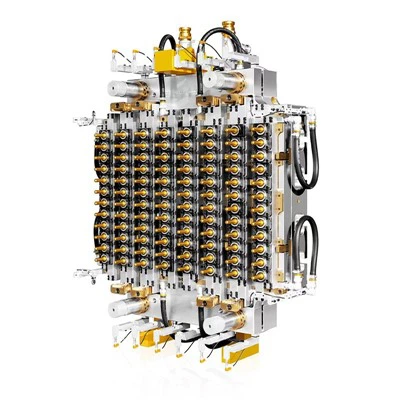
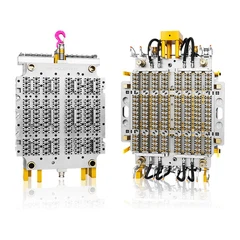
Now, I want to mention some of the products we offer. We have a great range of molds, including Oil Preform Mould, Juice Water Bottle Preform Mould, and PET Preform Injection Mould 96cav. These molds are designed with the latest technology to ensure efficient cooling and high - quality preform production.
If you're in the business of making PET water bottle preforms, you know how important it is to get the cooling time right. And if you're looking for high - quality molds that can help you optimize this process, we're here to help. Whether you're a small - scale producer or a large - scale manufacturer, we can provide you with customized solutions to meet your specific needs.
So, if you're interested in learning more about our PET water bottle preform molds or want to discuss how we can help you improve your preform production process, don't hesitate to reach out. We're always happy to have a chat and see how we can work together to take your business to the next level.
References
- Plastics Processing Handbook: A comprehensive guide on the processing of different plastics, including PET.
- Injection Molding Technology Journal: Articles and research on the latest trends and techniques in injection molding, with a focus on preform manufacturing.