


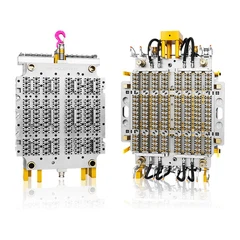


The manufacturing process of an oil bottle preform mold is a complex and highly specialized endeavor that requires precision, expertise, and state-of-the-art technology. As a leading supplier of Oil Bottle Preform Molds, we take pride in our ability to produce high-quality molds that meet the diverse needs of our customers. In this blog post, we will delve into the step-by-step process of manufacturing an oil bottle preform mold, highlighting the key stages and the importance of each.
Design and Planning
The first step in the manufacturing process is the design and planning phase. This is where our team of experienced designers and engineers work closely with the customer to understand their specific requirements. We consider factors such as the size and shape of the oil bottle, the material to be used, and the production volume. Using advanced computer-aided design (CAD) software, we create a detailed 3D model of the preform mold. This model allows us to visualize the final product and make any necessary adjustments before moving on to the next stage.
Material Selection
Once the design is finalized, the next step is to select the appropriate material for the mold. The material used for an oil bottle preform mold must be strong, durable, and able to withstand the high pressures and temperatures involved in the injection molding process. We typically use high-quality steel alloys, such as P20 or H13, which offer excellent mechanical properties and corrosion resistance. The choice of material also depends on the specific requirements of the customer, such as the expected lifespan of the mold and the production volume.
Machining
After the material is selected, the machining process begins. This involves using a variety of cutting tools and machines to shape the raw material into the desired form. The machining process is highly precise and requires advanced equipment and skilled operators. We use computer numerical control (CNC) machines to ensure accuracy and consistency in the machining process. These machines are programmed to follow the 3D model created in the design phase, allowing us to produce molds with tight tolerances and high-quality finishes.
Heat Treatment
Once the machining is complete, the mold undergoes a heat treatment process. This is done to improve the hardness and strength of the mold, as well as to relieve any internal stresses that may have been introduced during the machining process. The heat treatment process typically involves heating the mold to a specific temperature and then cooling it at a controlled rate. This process can take several hours or even days, depending on the size and complexity of the mold.
Surface Finishing
After the heat treatment, the mold is subjected to a surface finishing process. This involves polishing and grinding the surface of the mold to achieve a smooth and uniform finish. The surface finish of the mold is important because it affects the quality of the preforms produced. A smooth surface finish helps to prevent defects such as scratches and blemishes on the preforms, resulting in a higher-quality product.

Assembly and Testing
Once the surface finishing is complete, the mold is assembled. This involves fitting the various components of the mold together and ensuring that they are properly aligned. The assembly process requires careful attention to detail to ensure that the mold functions correctly. After the assembly is complete, the mold is tested to ensure that it meets the customer's specifications. We use a variety of testing methods, such as pressure testing and dimensional inspection, to verify the performance of the mold.
Quality Control
Throughout the manufacturing process, we implement a rigorous quality control system to ensure that the oil bottle preform mold meets the highest standards of quality. We use advanced inspection equipment and techniques to monitor the quality of the mold at every stage of the manufacturing process. This includes visual inspection, dimensional inspection, and material testing. Our quality control team is responsible for ensuring that the mold meets the customer's specifications and that it is free from defects.
Delivery and Support
Once the mold has passed all the quality control tests, it is ready for delivery. We offer a range of delivery options to ensure that the mold reaches the customer in a timely and efficient manner. We also provide comprehensive after-sales support to our customers, including installation, training, and maintenance services. Our team of experts is available to answer any questions and provide technical assistance whenever needed.
Conclusion
The manufacturing process of an oil bottle preform mold is a complex and highly specialized process that requires precision, expertise, and state-of-the-art technology. As a leading supplier of Oil Bottle Preform Molds, we are committed to providing our customers with high-quality molds that meet their specific requirements. By following a strict quality control system and using the latest manufacturing techniques, we are able to produce molds that are durable, reliable, and efficient. If you are in the market for an oil bottle preform mold, we encourage you to contact us to discuss your needs. We look forward to working with you to provide the best possible solution for your business.
Links
References
- "Injection Molding Handbook" by O. Olowokere
- "Mold Design for Injection Molding" by M. Throne


