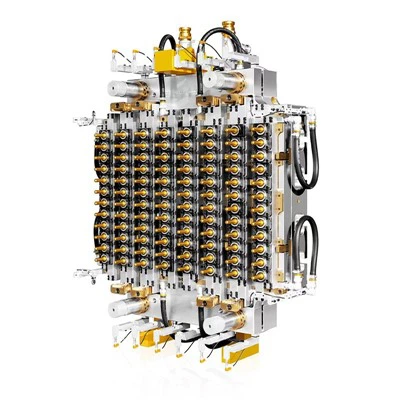


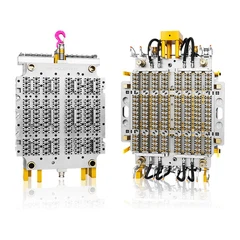


Hey there! As a supplier of Narrow Neck PET Moulds, I've seen firsthand how important it is to keep these molds in tip - top shape. In this blog, I'm gonna share some key tips on how to maintain a Narrow Neck PET Mould.
1. Regular Cleaning
Cleaning is the first and most crucial step in maintaining your Narrow Neck PET Mould. Over time, plastic residues, dust, and other contaminants can build up on the mold surface. This not only affects the quality of the preforms but can also lead to more serious issues like corrosion.
You should clean the mold after every production run or at least on a regular basis. Use a soft brush and a mild cleaning solution that is specifically designed for plastic molds. Avoid using abrasive materials as they can scratch the mold surface, which will affect the finish of the preforms. For hard - to - reach areas, you can use compressed air to blow out the debris.
2. Inspection for Wear and Tear
Regular inspection is essential to catch any signs of wear and tear early. Check for cracks, scratches, or any other damage on the mold surface. Pay special attention to the core pins, cavities, and gates. These areas are more prone to wear due to the high pressure and temperature during the injection molding process.
If you notice any damage, it's important to address it immediately. Minor scratches can sometimes be polished out, but more serious damage may require repair or even replacement of the affected parts. You can use a magnifying glass or a microscope for a more detailed inspection.
3. Lubrication
Lubrication is another important aspect of mold maintenance. Proper lubrication reduces friction between the moving parts of the mold, which helps to extend its lifespan. Use a high - quality lubricant that is suitable for plastic molds. Apply the lubricant to the guide pins, ejector pins, and other moving parts according to the manufacturer's instructions.
Be careful not to over - lubricate, as excess lubricant can attract dust and debris, which can cause more problems. Also, make sure to clean the mold thoroughly before applying new lubricant to prevent any contamination.


4. Temperature Control
Maintaining the right temperature is crucial for the performance and longevity of the Narrow Neck PET Mould. During the injection molding process, the mold needs to be at the correct temperature to ensure proper filling and cooling of the plastic.
Use a reliable temperature control system to monitor and regulate the mold temperature. If the temperature is too high, it can cause the plastic to degrade, which will affect the quality of the preforms. On the other hand, if the temperature is too low, the plastic may not flow properly, leading to defects in the preforms.
5. Storage
When the mold is not in use, proper storage is important. Store the mold in a clean, dry, and temperature - controlled environment. Make sure to cover the mold to protect it from dust and moisture. You can use a plastic cover or a mold storage case.
If possible, store the mold in an upright position to prevent any deformation. Also, label the mold clearly with its specifications and usage history to make it easier to manage.
6. Training for Operators
Well - trained operators are key to maintaining the Narrow Neck PET Mould. Make sure your operators are familiar with the proper operation and maintenance procedures of the mold. Provide them with regular training on topics such as cleaning, inspection, lubrication, and temperature control.
Encourage operators to report any issues or abnormalities they notice during the production process. This way, problems can be addressed quickly, preventing further damage to the mold.
7. Use of Quality Materials
Using high - quality materials in the production of the Narrow Neck PET Mould is essential for its long - term performance. The mold should be made of materials that can withstand the high pressure and temperature of the injection molding process.
Choose materials with good corrosion resistance and high hardness. This will help to prevent wear and tear and ensure that the mold can produce high - quality preforms for a long time.
8. Follow Manufacturer's Guidelines
Always follow the manufacturer's guidelines for the maintenance of the Narrow Neck PET Mould. The manufacturer knows the mold best and can provide specific instructions on cleaning, lubrication, and other maintenance tasks.
These guidelines may include recommended cleaning agents, lubricants, and inspection intervals. By following these guidelines, you can ensure that the mold is maintained properly and that its performance is optimized.
9. Keep Records
Keeping detailed records of the mold's maintenance history is a great way to track its performance and identify any recurring issues. Record the date of each cleaning, inspection, lubrication, and repair. Also, note any problems or defects that were found during the inspection.
This information can be used to analyze the mold's performance over time and make informed decisions about its maintenance and replacement.
10. Upgrades and Improvements
As technology advances, there may be opportunities to upgrade or improve your Narrow Neck PET Mould. For example, you may be able to install new temperature control systems or use more advanced materials.
Consider these upgrades to improve the efficiency and performance of the mold. You can also look into new features such as Multi Cavity PET Preform Mold, PET Preform Tube Molds, or Energy Saving Preform Mold to enhance the capabilities of your mold.
In conclusion, maintaining a Narrow Neck PET Mould requires a combination of regular cleaning, inspection, lubrication, temperature control, and proper storage. By following these tips and guidelines, you can ensure that your mold lasts longer and produces high - quality preforms.
If you're interested in purchasing a Narrow Neck PET Mould or have any questions about mold maintenance, feel free to reach out for a procurement discussion. We're here to help you get the most out of your investment.
References:
- Injection Molding Handbook by Dominik Johannaber
- Plastics Processing Technology by O. Olajide