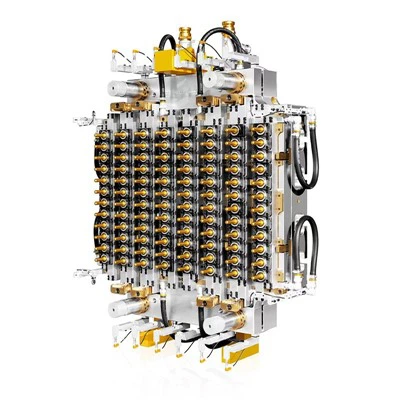


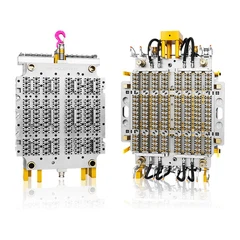


Hey there! As a supplier of Carbonated Drink PET Preform Moulds, I often get asked about how long these moulds last. It's a crucial question for businesses in the beverage industry, as the lifespan of a mould can significantly impact production costs and efficiency. So, let's dive into this topic and explore the factors that determine the longevity of a carbonated drink PET preform mould.
Understanding the Basics of PET Preform Moulds
Before we talk about how long these moulds last, let's quickly go over what PET preform moulds are. PET, or polyethylene terephthalate, is a widely used plastic for making beverage bottles. A preform is a small, test-tube-shaped piece of plastic that is later blown into a bottle. The mould is the tool that shapes the preform.
Carbonated drink PET preform moulds are designed to withstand high pressure and temperature during the injection moulding process. They need to be precise and durable to produce high-quality preforms consistently.
Factors Affecting the Lifespan of a Carbonated Drink PET Preform Mould
1. Material Quality
The quality of the material used to make the mould is a major factor. High-grade steel is commonly used for these moulds because it offers excellent hardness, wear resistance, and corrosion resistance. Moulds made from low-quality materials are more likely to wear out quickly, leading to defects in the preforms and a shorter lifespan.


2. Mould Design
A well-designed mould can last longer. The design should take into account factors such as the flow of the molten plastic, the cooling system, and the ease of ejection of the preforms. A poorly designed mould may cause uneven stress distribution, leading to premature wear and tear.
3. Operating Conditions
The way the mould is used also affects its lifespan. If the mould is operated at high temperatures or pressures beyond its design limits, it can cause damage. Additionally, improper handling, such as rough cleaning or incorrect installation, can also reduce the mould's lifespan.
4. Maintenance
Regular maintenance is crucial for extending the lifespan of a carbonated drink PET preform mould. This includes cleaning the mould after each use, checking for wear and tear, and replacing any damaged parts. Proper lubrication of moving parts is also important to prevent friction and wear.
Typical Lifespan of a Carbonated Drink PET Preform Mould
On average, a high-quality carbonated drink PET preform mould can last between 1 million and 3 million cycles. However, this can vary depending on the factors mentioned above. For example, a mould made from top-quality steel and properly maintained can last closer to 3 million cycles, while a mould with lower material quality or poor maintenance may only last 1 million cycles or less.
Extending the Lifespan of Your Mould
Here are some tips to help you extend the lifespan of your carbonated drink PET preform mould:
- Use High-Quality Materials: Invest in a mould made from high-grade steel to ensure durability.
- Follow Operating Guidelines: Operate the mould within its design limits to prevent damage.
- Regular Maintenance: Clean the mould regularly, check for wear and tear, and replace any damaged parts promptly.
- Proper Storage: Store the mould in a clean, dry environment to prevent corrosion.
Our Product Range
As a supplier of Carbonated Drink PET Preform Moulds, we offer a wide range of high-quality moulds to meet your needs. Whether you're looking for a PET Preform Mould for Oil Bottles, a Beverage Bottle Preform Mold, or a PET Water Bottle Preform Mold, we've got you covered.
Our moulds are made from high-grade steel and are designed to last. We also provide excellent after-sales service to ensure that your moulds are properly maintained and perform at their best.
Contact Us for Your Moulding Needs
If you're in the market for a carbonated drink PET preform mould, we'd love to hear from you. Our team of experts can help you choose the right mould for your specific requirements and provide you with all the information you need. Contact us today to start a conversation about your moulding needs.
References
- "Plastic Injection Moulding: Principles and Practice" by Rosato, Rosato, and Schiroky
- "Handbook of PET Technology" by John Vlachopoulos