


Behind every clear PET bottle used for water, soft drinks, edible oils, cosmetics, and pharmaceuticals lies a highly engineered manufacturing process. While most consumers focus on the bottle itself, manufacturers understand that the quality, consistency, and efficiency of bottle production begin with one critical component-the PET preform mould. A well-designed PET preform mould directly impacts product quality, production speed, material consumption, and overall profitability. For packaging manufacturers looking to improve production efficiency and reduce operating costs, understanding PET preform mould technology is essential.

What Is a PET Preform Mould?
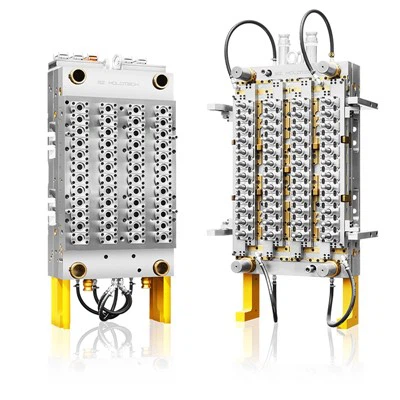
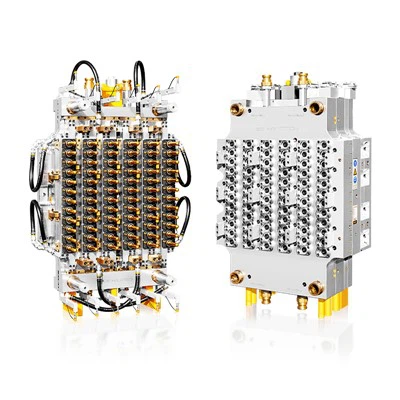
A PET Preform Mould is a precision injection mould used to manufacture PET preforms, which are later heated and stretch-blown into finished plastic bottles.
PET preforms are widely used in:
Mineral water bottles
Carbonated beverage bottles
Juice bottles
Edible oil containers
Cosmetic packaging
Pharmaceutical packaging
Household chemical bottles
The PET bottle manufacturing process typically consists of two stages:
PET Preform Injection Moulding
PET Bottle Blow Moulding
The quality of the preform mould directly determines:
Bottle transparency
Weight consistency
Neck accuracy
Wall thickness distribution
Blow moulding performance
Production efficiency
For this reason, PET preform moulds are considered one of the most important investments in a PET packaging production line.
PET Preform Mould Manufacturing Process
Product Design and Engineering Analysis
Every successful mould project begins with a detailed product analysis.
Engineers evaluate:
Preform dimensions
Neck finish specifications
Product weight
Material flow characteristics
Shrinkage rate
Production requirements
Advanced CAD, CAM, and Moldflow software are used to optimize cavity design and ensure balanced material distribution throughout the mould.
Cavity Layout Design
The number of cavities significantly affects production output.
| Mould Type | Number of Cavities |
|---|---|
| Small Production | 8-16 Cavities |
| Medium Production | 24-48 Cavities |
| High Production | 72-96 Cavities |
| Ultra High Production | 128-144 Cavities |
For large beverage manufacturers, 72-cavity, 96-cavity, and 144-cavity PET preform moulds have become the preferred choice for maximizing productivity.
Hot Runner System Design
PET material is highly sensitive to temperature fluctuations.
Modern PET preform moulds typically use:
Valve Gate Hot Runner Systems
Needle Valve Technology
Balanced Melt Flow Design
Benefits include:
Zero cold runners
Reduced material waste
Improved transparency
Better weight consistency
Faster production cycles
Lower operating costs

Cooling System Design
Efficient cooling is one of the most important factors affecting cycle time.
A high-performance cooling system helps:
Reduce moulding cycles
Improve dimensional stability
Minimize deformation
Increase overall productivity
Common cooling solutions include:
Spiral cooling channels
Independent water circuits
High-efficiency heat transfer designs
Why 3Cr13 Steel Is Ideal for PET Preform Moulds
The quality of mould steel directly impacts mould lifespan and product quality.
SZ-MOLDTECH utilizes high-quality 3Cr13 stainless steel for critical mould components, offering excellent durability and long-term performance.
3Cr13 Steel Properties
| Property | 3Cr13 Steel |
|---|---|
| Hardness | HRC 48-52 |
| Corrosion Resistance | Excellent |
| Wear Resistance | Excellent |
| Polishability | Excellent |
| Service Life | Long |
| Maintenance Cost | Low |
Compared with conventional mould steels, 3Cr13 provides superior corrosion resistance and mirror polishing capability, making it particularly suitable for high-transparency PET packaging applications.
Applications include:
Water bottle preforms
Carbonated beverage preforms
Edible oil bottle preforms
Cosmetic packaging preforms
Pharmaceutical bottle preforms
Critical PET Preform Mould Design Factors
Mirror Polishing Technology
PET packaging demands exceptional transparency.
Most premium PET preform moulds are polished to SPI A1 mirror finish standards, resulting in:
Enhanced clarity
Improved surface finish
Reduced flow marks
Better product appearance
Draft Angle Optimization
Proper draft angle design provides:
Easier part ejection
Reduced mould wear
Improved production stability
Lower defect rates
Venting System Design
Effective venting eliminates trapped air during injection moulding.
Benefits include:
Reduced burn marks
Fewer bubbles
Elimination of short shots
Improved surface quality
Precision Tolerance Control
PET preforms require extremely tight dimensional accuracy.
Typical tolerance standards include:
| Item | Tolerance |
|---|---|
| Neck Finish Diameter | ±0.02 mm |
| Preform Weight | ±0.1 g |
| Concentricity | ≤0.03 mm |
| Wall Thickness Variation | ≤0.05 mm |
Maintaining these tolerances ensures excellent bottle quality and smooth downstream blow moulding operations.
Common PET Preform Moulding Problems and Solutions
Whitening of PET Preforms
Possible Causes
Uneven cooling
Excessive injection pressure
Improper mould temperature
Solutions
Optimize cooling channels
Adjust injection parameters
Improve thermal balance
Black Specks and Contamination
Possible Causes
Material degradation
Carbon buildup inside hot runners
Solutions
Regular hot runner maintenance
Improved temperature control
Inconsistent Preform Weight
Possible Causes
Unbalanced hot runner system
Machine parameter instability
Solutions
Balanced runner design
Stable injection control systems
Why Choose SZ-MOLDTECH for PET Preform Mould Manufacturing?
SZ-MOLDTECH specializes in the design and manufacture of high-precision PET preform moulds for global packaging manufacturers.
With years of industry experience, the company provides reliable mould solutions for:
Beverage packaging
Food packaging
Cosmetic packaging
Pharmaceutical packaging
Household product packaging
SZ-MOLDTECH Advantages
Advanced Manufacturing Equipment
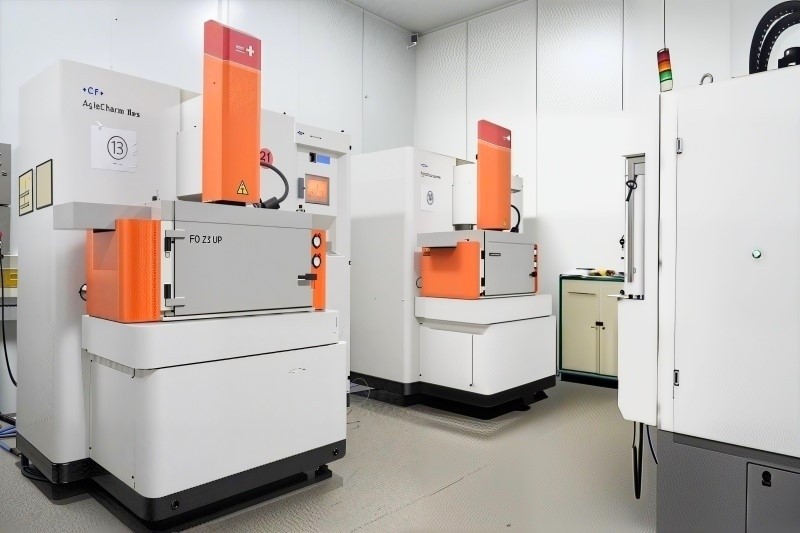
High-precision CNC machining centers, EDM machines, and quality inspection systems ensure excellent mould accuracy.
Premium 3Cr13 Stainless Steel
Critical mould components are manufactured using durable 3Cr13 steel for extended service life and superior performance.
Optimized Hot Runner Technology
Advanced valve gate systems improve production efficiency while reducing raw material consumption.
Fast Delivery
Efficient project management allows shorter lead times without compromising quality.
Comprehensive Technical Support
Customers receive:
Mould installation assistance
Technical training
Spare parts supply
After-sales service
Production optimization support


How to Select the Right PET Preform Mould Supplier
Before purchasing a PET preform mould, buyers should carefully evaluate:
| Evaluation Criteria | Importance |
|---|---|
| Steel Quality | ★★★★★ |
| Hot Runner System | ★★★★★ |
| Cavity Quantity | ★★★★★ |
| Cooling Design | ★★★★☆ |
| Mould Lifespan | ★★★★★ |
| Technical Support | ★★★★★ |
| Delivery Time | ★★★★☆ |
A reliable supplier should offer both technical expertise and long-term service support.
Frequently Asked Questions (FAQ)
A high-quality PET preform mould manufactured from 3Cr13 steel can typically achieve 3 to 8 million production cycles with proper maintenance.
Hot runner systems reduce material waste, improve weight consistency, and increase production efficiency.
For medium production volumes, 24-48 cavities are common. High-output beverage plants often choose 72, 96, or even 144-cavity moulds.
Yes. 3Cr13 offers excellent corrosion resistance, wear resistance, and polishing performance, making it one of the preferred materials for PET preform mould manufacturing.
Depending on cavity count and project complexity, lead times generally range from 45 to 90 days.
Pricing is influenced by cavity quantity, steel material, hot runner brand, mould complexity, automation requirements, and technical specifications.
Conclusion
As global demand for PET packaging continues to grow, investing in a high-quality PET preform mould has become increasingly important for manufacturers seeking greater efficiency, lower production costs, and consistent product quality. From mould design and cavity layout to hot runner technology, cooling systems, and premium 3Cr13 steel construction, every detail contributes to the long-term success of a PET bottle production line. By partnering with an experienced manufacturer such as SZ-MOLDTECH, companies can achieve higher productivity, better product consistency, and stronger competitiveness in the global packaging industry.